
The Allure of Casino Games: A Psychological Deep Dive
Casino gambling, at its core, is an intricate dance between chance and strategy, a captivating environment designed to engage the human psyche. The very atmosphere of a casino, with its flashing lights, ambient sounds, and the palpable excitement of patrons, is engineered to stimulate the senses and trigger emotional responses. This sensory overload can lead to a heightened state of arousal, making the experience feel more intense and memorable. Understanding this initial psychological draw is crucial to appreciating why people are drawn to casino environments, and for those looking to explore this further, a winmaker online casino can offer a variety of options.
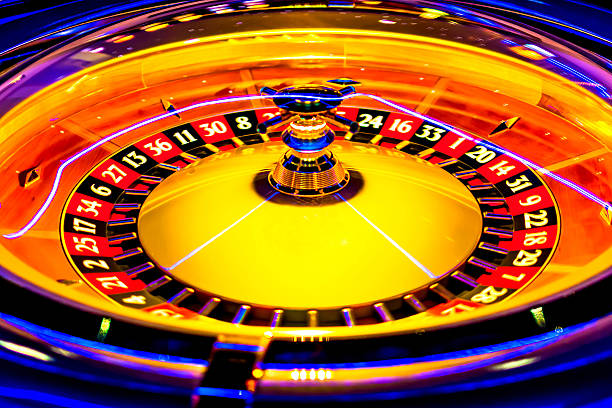
Beyond the immediate sensory stimulation, casinos tap into fundamental human desires. The prospect of winning, the thrill of risk, and the hope for a life-changing jackpot are powerful motivators. This is often linked to the brain’s reward system, particularly the release of dopamine, a neurotransmitter associated with pleasure and motivation. Even the near misses, where a player almost wins, can be psychologically reinforcing, encouraging them to continue playing in anticipation of the next potential win.
Cognitive Biases at Play in Casino Environments
Casino patrons are frequently influenced by a range of cognitive biases that can affect their decision-making. The “gambler’s fallacy,” for instance, is the mistaken belief that if something happens more frequently than normal during some period, it will happen less frequently in the future, or that if something happens less frequently than normal during some period, it will happen more frequently in the future. This can lead to illogical betting patterns, such as continuing to bet on red after several consecutive black outcomes in roulette.
Another significant bias is the “illusion of control,” where individuals overestimate their ability to influence the outcomes of random events. This is particularly evident in games where a degree of physical action is involved, like rolling dice or spinning a slot machine. Players might develop superstitions or rituals believing they can somehow alter the odds. Furthermore, the “availability heuristic” can play a role; people tend to overestimate the likelihood of events that are easily recalled, such as the sensational stories of big winners, while downplaying the more common reality of losses.
The Role of Strategy and Skill in Casino Games
While many casino games are primarily based on luck, a significant portion of their appeal lies in the perceived element of strategy and skill. Games like poker and blackjack, for example, require players to make decisions based on probabilities, opponent behavior, and calculated risks. This cognitive engagement provides a sense of agency and intellectual challenge that is absent in purely chance-based games.
The development of strategies, even if not foolproof, can be immensely satisfying. Players who study game mechanics, practice card counting (in blackjack), or learn to read opponents can experience a sense of accomplishment and control over their gameplay. This pursuit of mastery, however limited by the inherent randomness of the games, is a powerful psychological driver that keeps many engaged with casino entertainment.
Navigating the Thrill: Responsible Gambling Considerations
The stimulating psychology of casino gambling necessitates a discussion on responsible play. The very mechanisms that make casinos exciting can also contribute to problematic behaviors if not managed carefully. Understanding the psychological triggers, such as the drive for immediate gratification and the emotional highs and lows, is key to maintaining a healthy relationship with gambling.
Recognizing the signs of compulsive gambling and setting clear limits on time and money are vital safeguards. Many reputable online casino platforms, including those that aim to provide a positive user experience, offer tools and resources to support responsible gambling. These might include self-exclusion options, deposit limits, and access to support organizations. Prioritizing well-being ensures that the stimulating nature of casino games remains a form of entertainment rather than a source of distress.

Experiencing Casino Entertainment Safely and Responsibly
For those seeking to explore the stimulating psychology of casino games, approaching the experience with awareness is paramount. It’s important to understand that the casino environment is designed to be engaging, and the games themselves leverage psychological principles to maintain player interest. When accessing casino games, especially through online platforms, it’s crucial to ensure that the site prioritizes user safety and provides clear information about game fairness and responsible gaming practices.
Choosing platforms that offer transparent terms, reliable customer support, and robust responsible gambling tools allows players to enjoy the psychological thrill of casino games in a controlled and secure manner. Such an approach ensures that the focus remains on entertainment and the intellectual engagement of strategy, rather than succumbing to the potential pitfalls of unchecked play. A well-managed casino experience respects the player’s autonomy and well-being, making it a far more rewarding endeavor.