
The evolution of gambling tracing its history through time and culture
Origins of Gambling in Ancient Civilizations
The roots of gambling can be traced back to ancient civilizations, where early humans engaged in various forms of betting and games of chance. Archaeological evidence suggests that as far back as 3000 BC, the Chinese were using rudimentary dice, crafted from animal bones, to engage in gambling activities. Similarly, the ancient Egyptians played games that involved betting, showcasing that the allure of chance and risk was present in cultures across the globe. These early forms of gambling were often interwoven with religious and social practices, reflecting a deep cultural significance. To explore more about this fascinating world, you might visit jackpotjill19.com.

The Greeks and Romans further advanced gambling activities by formalizing various games and introducing the concept of betting on sporting events. The Greeks, known for their love of sports, often bet on the outcomes of the Olympic Games. This practice spread to Rome, where emperors endorsed games like dice and betting on chariot races. Such activities became popular among the masses and laid the groundwork for organized gambling that would evolve in the centuries to follow.
The significance of gambling during these ancient times extended beyond mere entertainment; it served as a social connector, allowing individuals to bond over shared risks. As civilizations progressed, so did the complexity of gambling, leading to the development of structured games and the creation of rules that governed fair play. This cultural evolution of gambling reflects not only humanity’s fascination with risk but also the social dynamics of ancient life.
Gambling Through the Middle Ages
The Middle Ages saw a transformation in gambling practices, particularly in Europe. The introduction of card games during this period marked a significant evolution in the gambling landscape. Originating in Asia, card games made their way to Europe, becoming a staple in social gatherings. The appeal of these games, combined with the rise of taverns and public houses, created an environment ripe for gambling, as people sought entertainment and excitement amidst the backdrop of societal upheavals.
Regulatory responses to gambling during the Middle Ages were mixed. While some monarchs sought to control and regulate betting activities, others embraced it as a means of revenue generation through taxation. Lotteries began to emerge as a popular form of gambling, with funds often earmarked for public projects. This period not only solidified the presence of gambling in everyday life but also sparked debates about morality and ethics surrounding games of chance.
As the Renaissance approached, gambling began to flourish even more. The establishment of formal gaming houses in cities provided legal venues for players to engage in betting activities. These establishments adhered to specific rules and regulations, a precursor to modern casinos. This era demonstrated a cultural acceptance of gambling, paving the way for its integration into society as both a leisure activity and a potential source of wealth.
Modern Gambling and the Birth of Casinos
The 17th century marked a significant turning point in the history of gambling, as the first official casinos emerged in Italy. The Casino di Venezia, established in 1638, is often regarded as the world’s first gambling house, providing a legal venue for games of chance and betting. This innovation quickly spread throughout Europe, with casinos becoming synonymous with luxury and high society. The games played in these establishments, such as roulette and baccarat, developed complex rules and strategies that continue to captivate players today.
The Enlightenment period brought about a renewed interest in games of chance, leading to an increased acceptance of gambling within society. As casinos flourished, they began to attract not only the wealthy elite but also middle-class individuals seeking thrill and entertainment. The expansion of gambling options and the establishment of more sophisticated gaming laws enabled casinos to operate with a degree of legitimacy and trust, enhancing their appeal.
With the advent of the 19th century, gambling became more organized and regulated. Countries across Europe implemented laws to ensure fair play and protect players. This period also saw the rise of horse racing as a popular betting sport, with events like The Grand National gaining immense popularity. The combination of innovative gaming experiences and structured regulations set the stage for the global gambling industry we recognize today.
Gambling in the Digital Age
The late 20th century heralded a revolution in the gambling industry with the advent of the internet. Online casinos began to emerge, allowing players to enjoy their favorite games from the comfort of their homes. This accessibility drastically changed the landscape of gambling, making it more inclusive and diverse. Players were no longer restricted to physical locations, and the variety of games available expanded exponentially, catering to a wider audience.
Online gambling platforms have also introduced various features aimed at enhancing the player experience, such as bonuses and promotions, which are essential for attracting new players. These innovations have transformed traditional gaming practices, enabling players to engage in real-time with dealers and other players. The ability to play on mobile devices further revolutionized the industry, allowing gambling to blend seamlessly into everyday life and making it more appealing to younger generations.
As technology continues to advance, the gambling industry faces both opportunities and challenges. Issues such as responsible gambling, data security, and regulation are at the forefront of discussions. The evolution of gambling in the digital age emphasizes the need for a balance between innovation and ethical practices, ensuring that players can enjoy their experiences safely and responsibly.
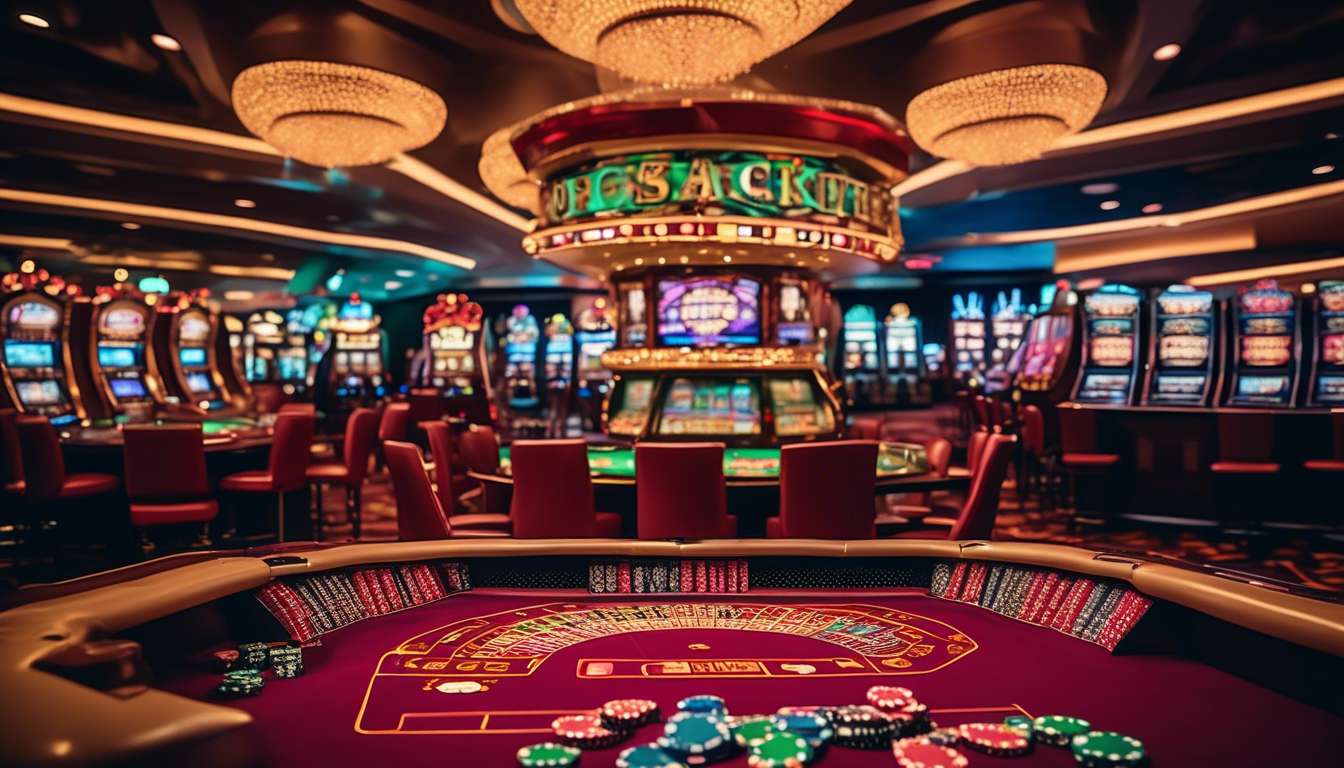
Exploring Online Gambling at Jackpot Jill Casino
As an integral part of the modern gambling landscape, online platforms like Jackpot Jill Casino offer a unique experience for players seeking entertainment and excitement. With a vast selection of over 2,000 games, players can indulge in everything from classic pokies to contemporary video slots. The convenience of online gambling is complemented by generous bonuses and fast payment processing, ensuring that players enjoy a seamless gaming experience.
Jackpot Jill Casino prioritizes player satisfaction and safety, operating under a Curaçao gaming license that guarantees a fair environment for all users. This commitment to integrity allows players to focus on the thrill of the game without the worry of unfair practices. The platform’s range of promotions and loyalty rewards encourages players to engage more deeply, enhancing their overall experience while exploring the rich history of gambling.
In conclusion, the evolution of gambling through time and culture has shaped a dynamic industry that continues to thrive. Online casinos like Jackpot Jill Casino represent the next chapter in this enduring legacy, merging tradition with modern technology to create exciting opportunities for players worldwide. Whether a seasoned gambler or a newcomer, the world of online gaming offers something for everyone, ensuring the story of gambling continues to unfold in new and exciting ways.